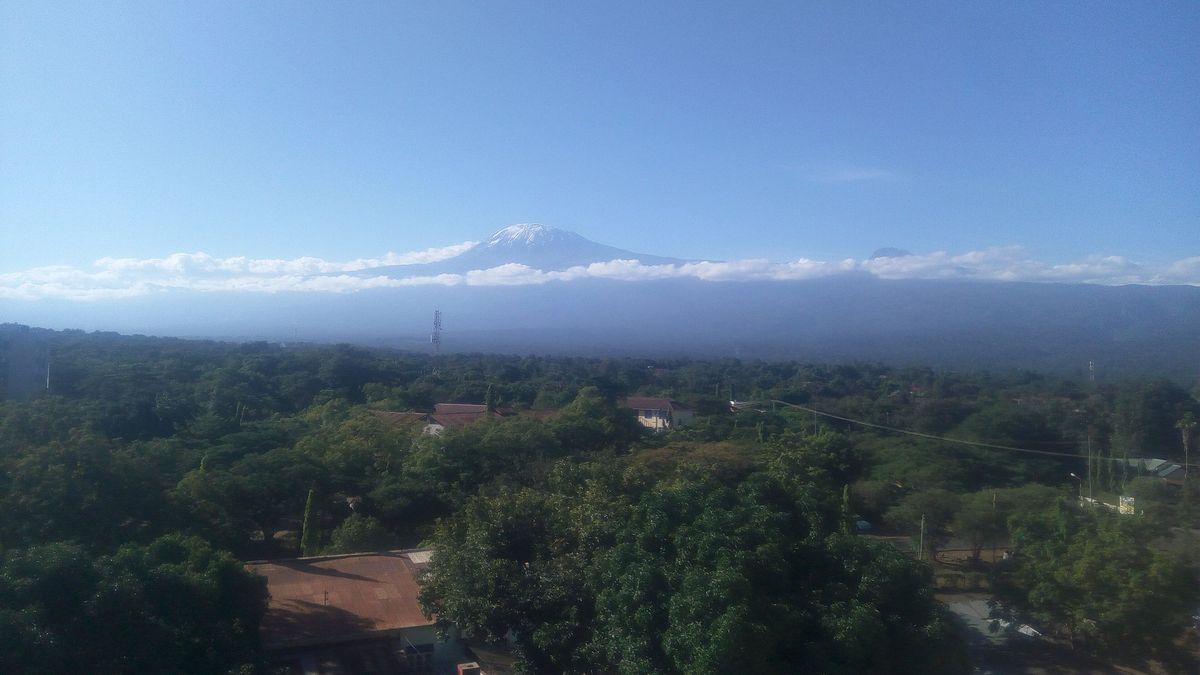
Mountains
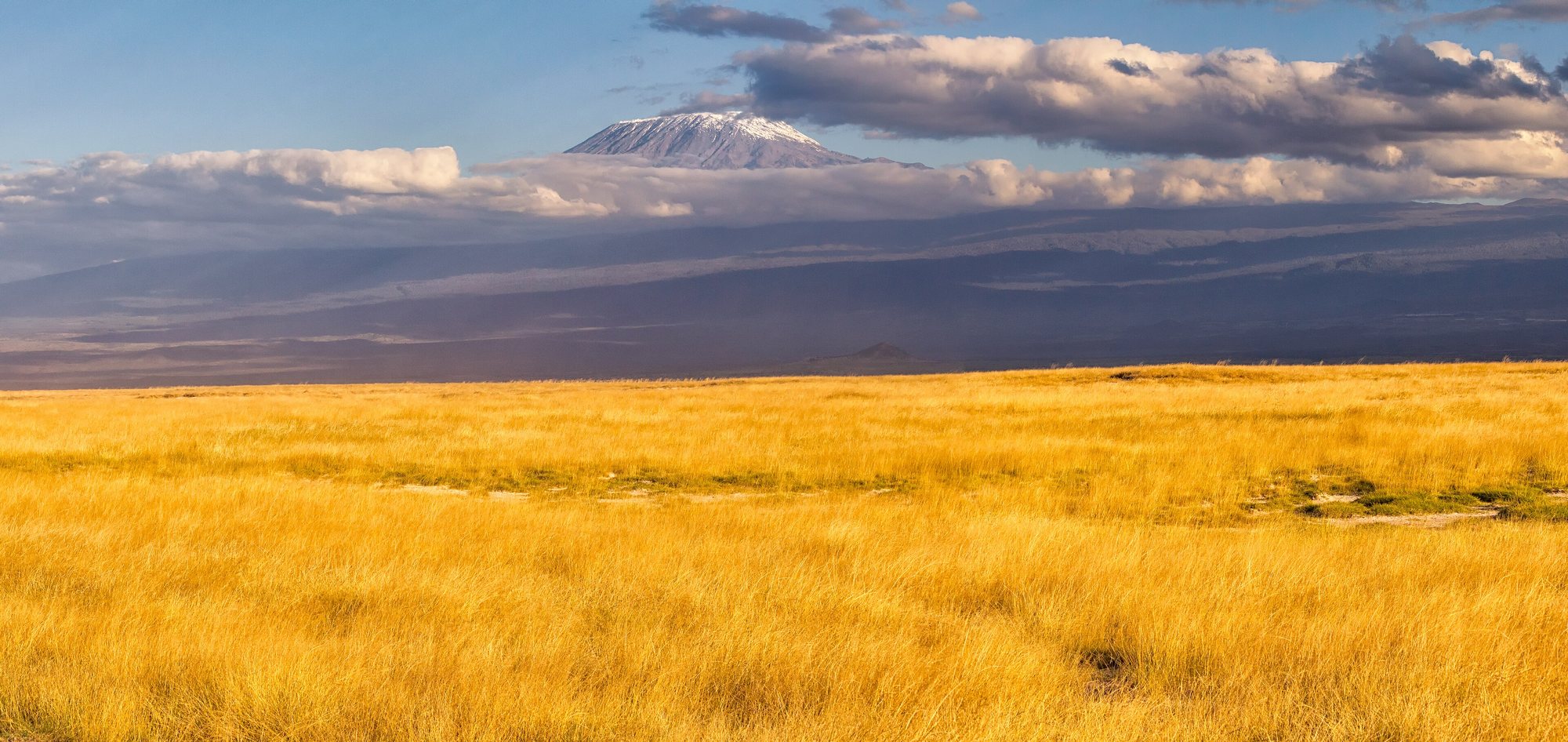
Mount Kilimanjaro
Africa's highest mountain and the world's tallest free-standing mountain — a trek through five climate zones to the summit at Uhuru Peak.
Mount Kilimanjaro rises to 5,895 metres at Uhuru Peak on the Kibo crater rim, making it the highest point in Africa. Because no technical climbing is needed on the main routes, it is one of the most accessible of the world's great summits — but the altitude makes good preparation and a sensible pace essential.
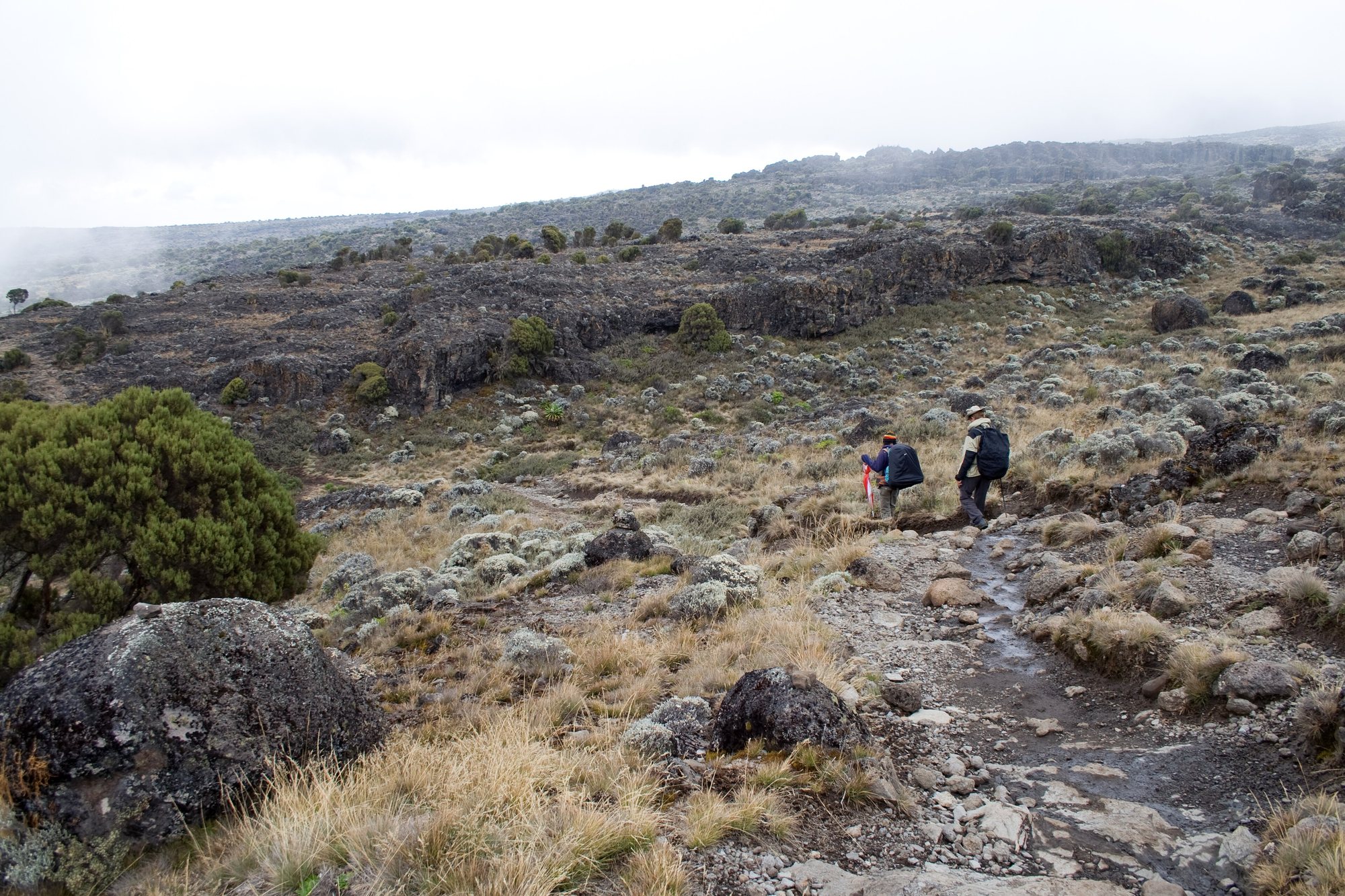
A climb passes through cultivated foothills, montane rainforest, heath and moorland, alpine desert and finally the arctic summit zone. Each route offers a different experience of these landscapes.
Kilimanjaro National Park is a UNESCO World Heritage Site. The towns of Moshi and Arusha are the usual bases before and after a climb.
Highlights
- Summit of Africa at Uhuru Peak (5,895 m)
- Five distinct climate zones
- No technical climbing on the main routes
- Combine easily with a safari
When to visit
The drier months — roughly January to early March and June to October — are the most popular for climbing. Conditions on the mountain can change quickly at any time of year.
Practical information
All climbs on Kilimanjaro must be made with a licensed guide. Travel insurance that covers high-altitude trekking is strongly recommended. See our Kilimanjaro climbing page to compare routes.
Photos

Start planning
Your African Adventure Starts Here.
Share your dates, interests and travel style. We will reply with a tailored itinerary and proposal — there is no obligation to book.