Machame Route
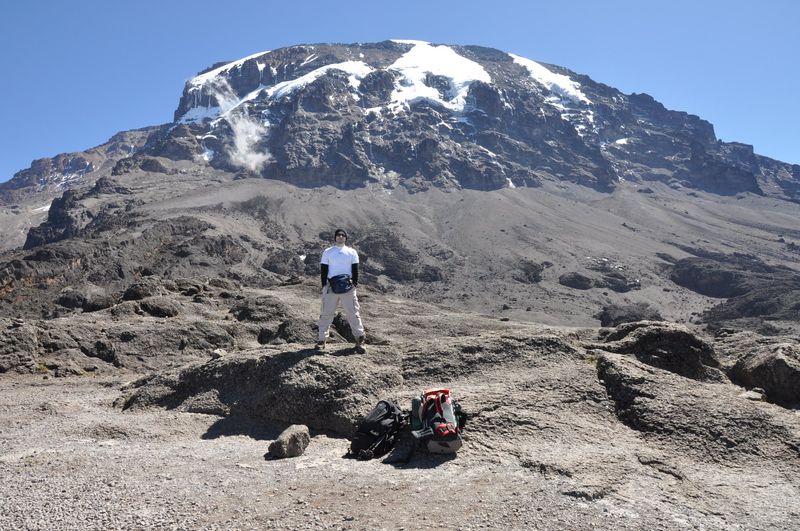
- Machame Gate
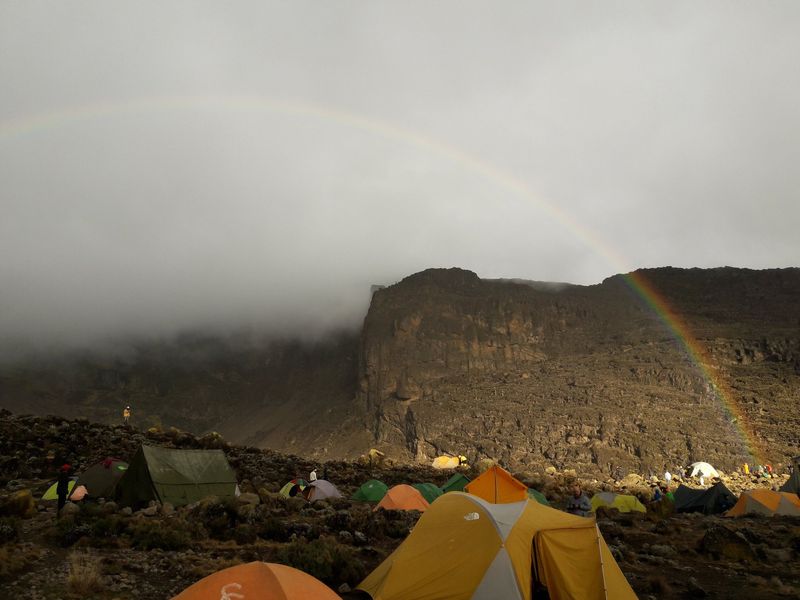
- Mountain tents
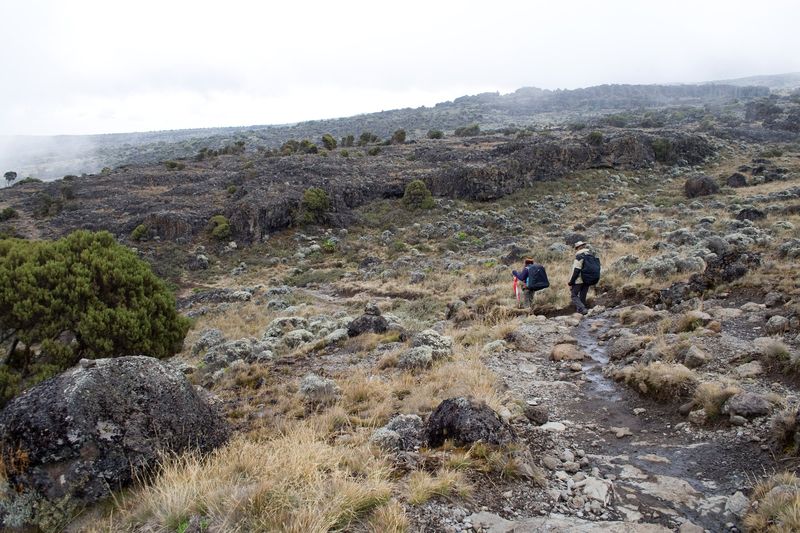
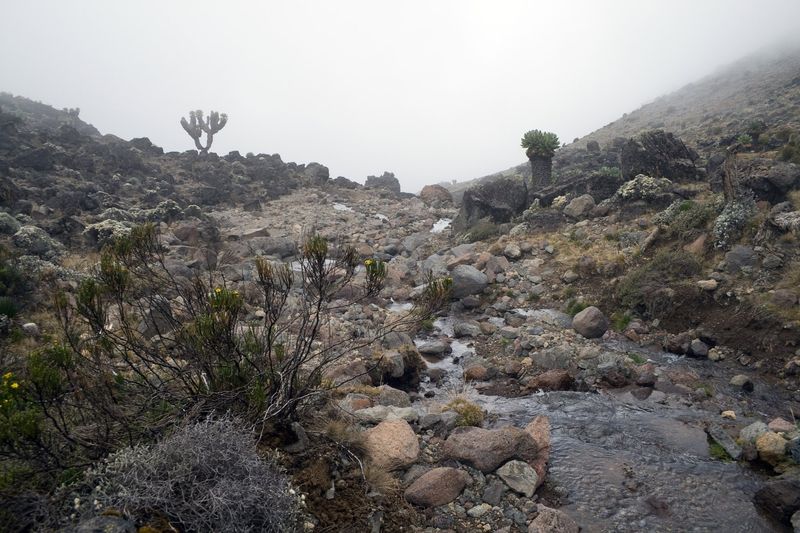
Kilimanjaro's most popular route: varied scenery, the famous Barranco Wall and a good ‘climb high, sleep low’ acclimatisation profile.
View route: Machame Route
The Roof of Africa
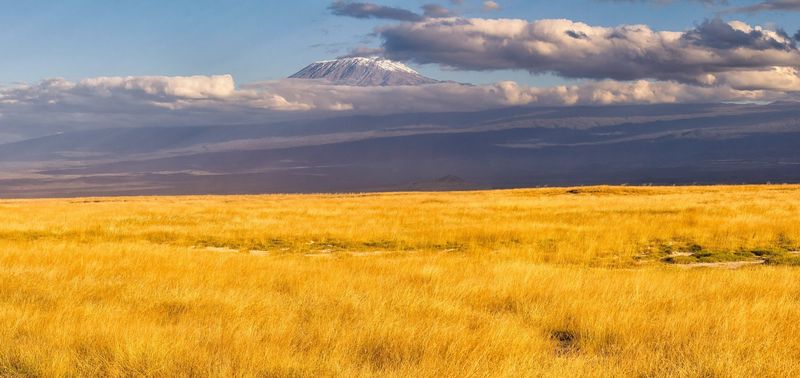
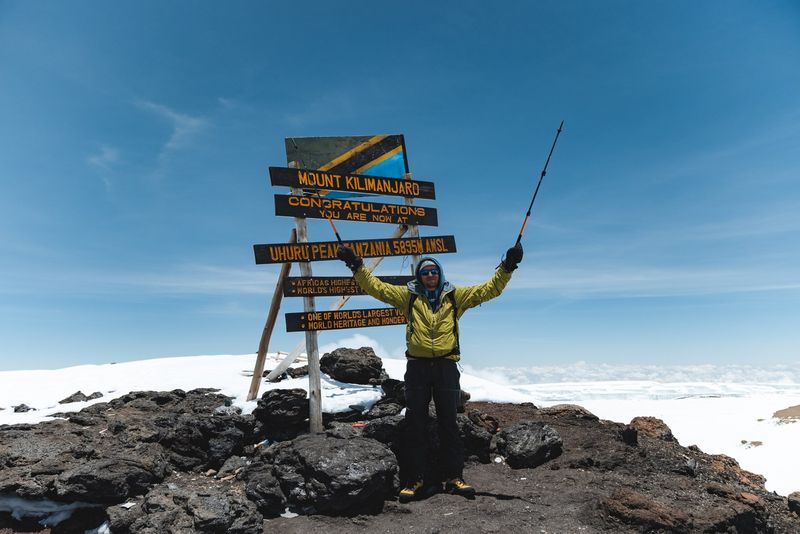
Climb Africa's highest mountain to Uhuru Peak at 5,895 metres. Compare the routes, prepare well, and plan your climb with a team based near the mountain in Arusha.
Kilimanjaro is a walk, not a technical climb — but it is a serious high-altitude trek. Most people who reach the summit share three things: a route with enough days to acclimatise, a steady pace, and good preparation.
The main routes differ in scenery, accommodation (huts or tents), crowd levels and length. Longer routes generally give your body more time to adapt to the altitude. Use the route guides below to compare them, or ask us for a recommendation.
Choose your route
Each route approaches the mountain differently — in scenery, crowd levels, acclimatisation profile and length. We will help you choose.
Kilimanjaro's most popular route: varied scenery, the famous Barranco Wall and a good ‘climb high, sleep low’ acclimatisation profile.
View route: Machame RouteA scenic, quieter approach from the west, crossing the entire Shira Plateau — often chosen for its excellent acclimatisation.
View route: Lemosho RouteThe only route with hut accommodation; a steady trail ascending and descending on the same path from the south-east.
View route: Marangu RouteThe only route from the north, near the Kenyan border — drier, quieter and with a gentle gradient.
View route: Rongai RouteThe longest route, circling the quiet northern slopes of Kibo for outstanding acclimatisation and solitude.
View route: Northern CircuitThe steepest and most direct route — best for experienced, fit trekkers who have acclimatised beforehand.
View route: Umbwe Route
Before you climb
No technical climbing skills are needed on the main routes, but you should be comfortable walking for several hours a day over consecutive days. Regular hiking in the months before your climb is the best preparation.
It depends on how many days you have, whether you prefer camping or huts, and your experience at altitude. Longer routes such as Lemosho and the Northern Circuit allow more time to acclimatise. Compare the routes on our Kilimanjaro climbing page.
Acute mountain sickness can affect anyone above around 2,500 metres, regardless of fitness. Ascending gradually, staying hydrated and choosing a longer route all help. Always tell your guide if you feel unwell, and seek medical advice before your trip if you have health concerns.
Start planning
Share your dates, interests and travel style. We will reply with a tailored itinerary and proposal — there is no obligation to book.
office@nnkosafari.com
Plot No. 580, Usa River, Arusha, Tanzania