Ngorongoro Conservation Area · Tarangire National Park
3-Day Tarangire & Ngorongoro Crater Safari
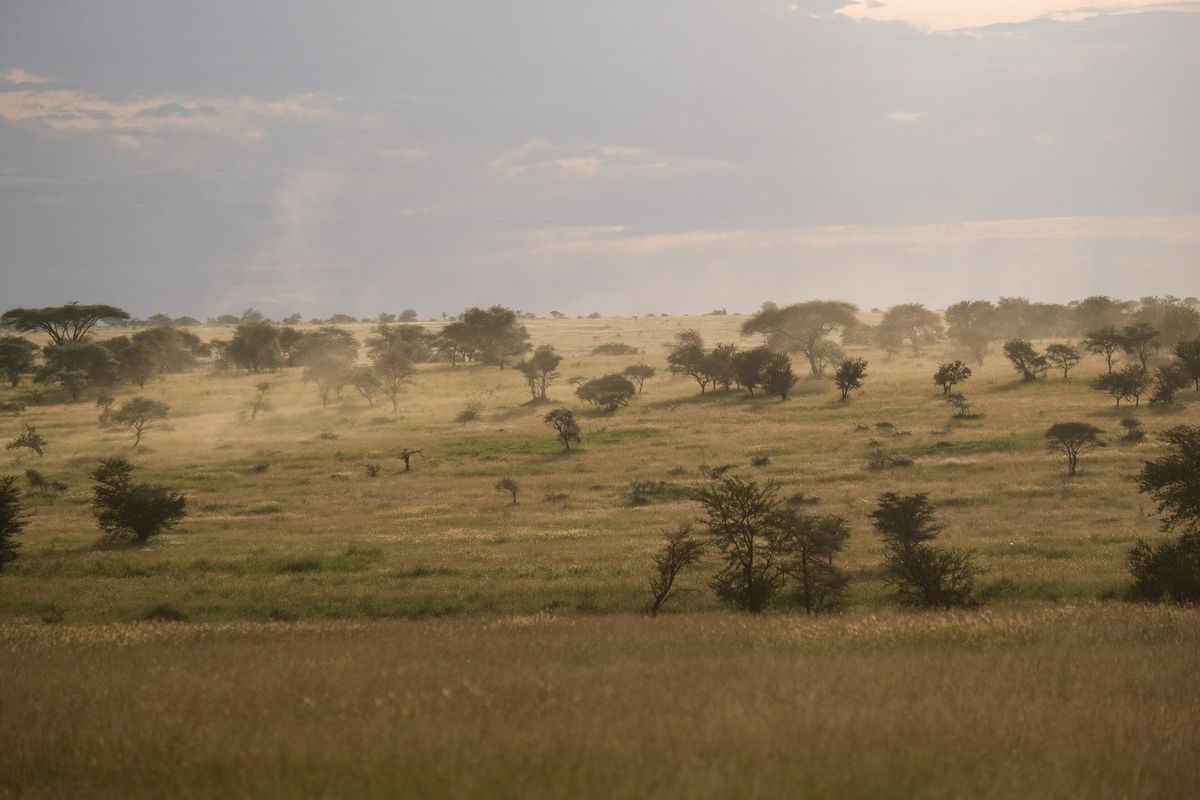
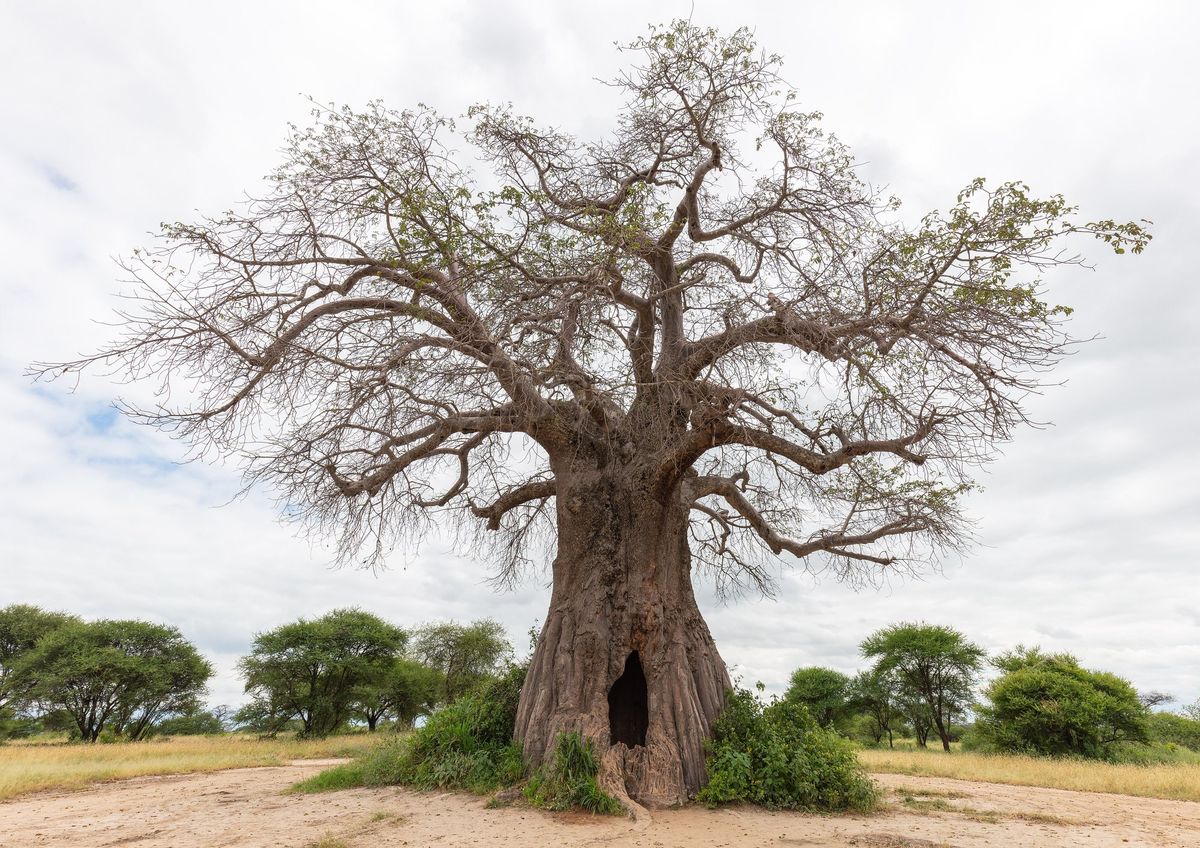
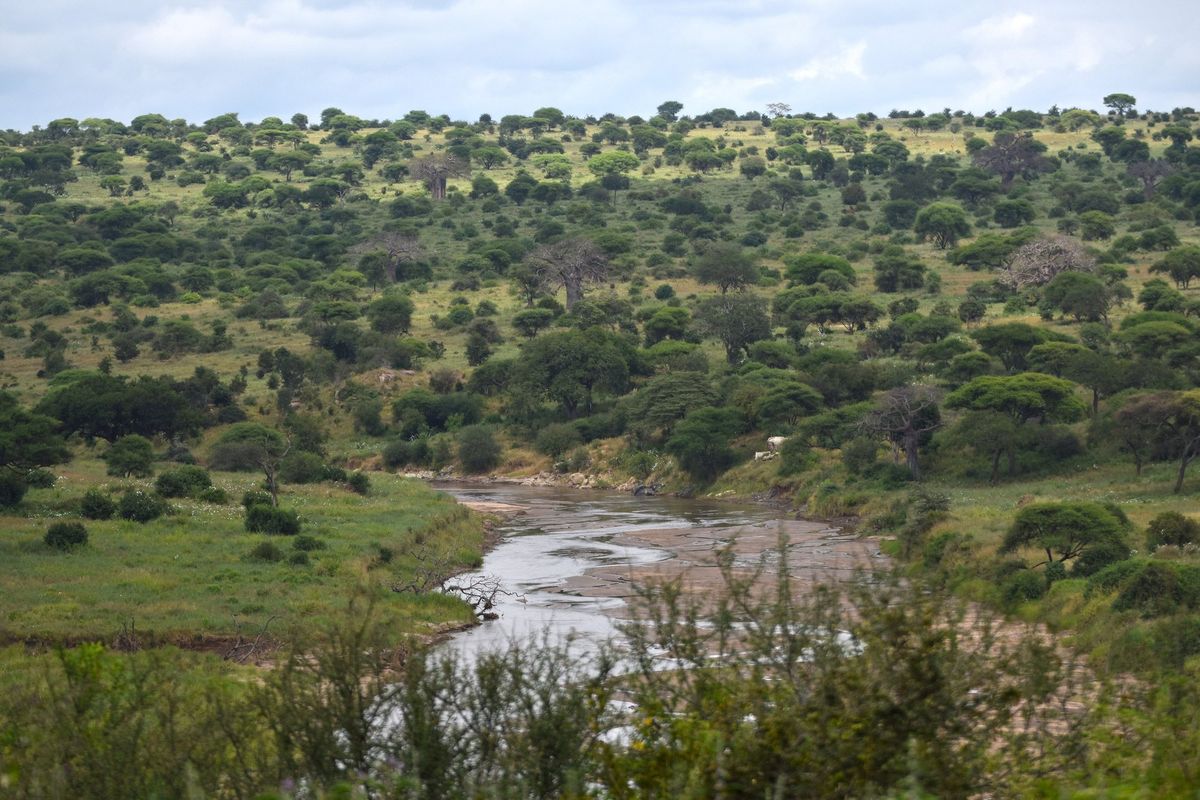
A short, rewarding introduction to northern Tanzania: Tarangire's elephants and baobabs followed by a full day in the Ngorongoro Crater.
Northern Circuit
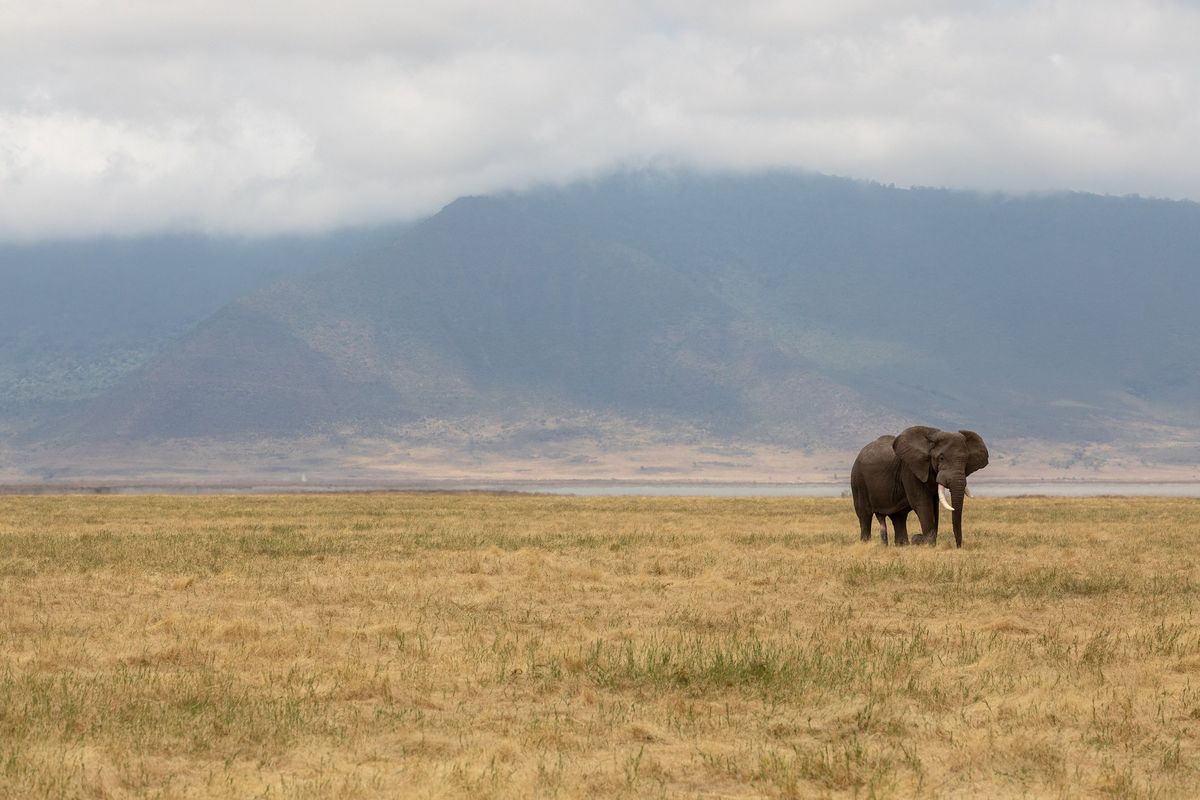
A vast volcanic caldera filled with wildlife, set within a UNESCO World Heritage landscape where Maasai pastoralists live alongside the animals.
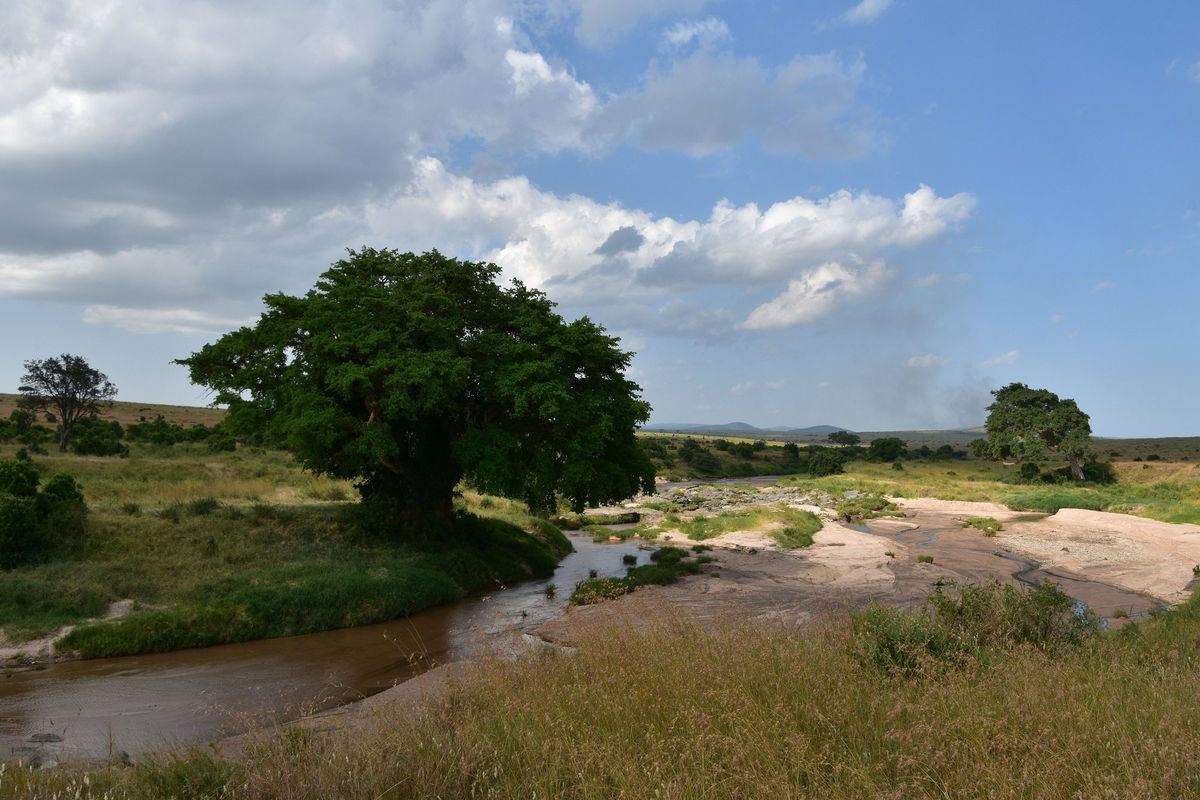
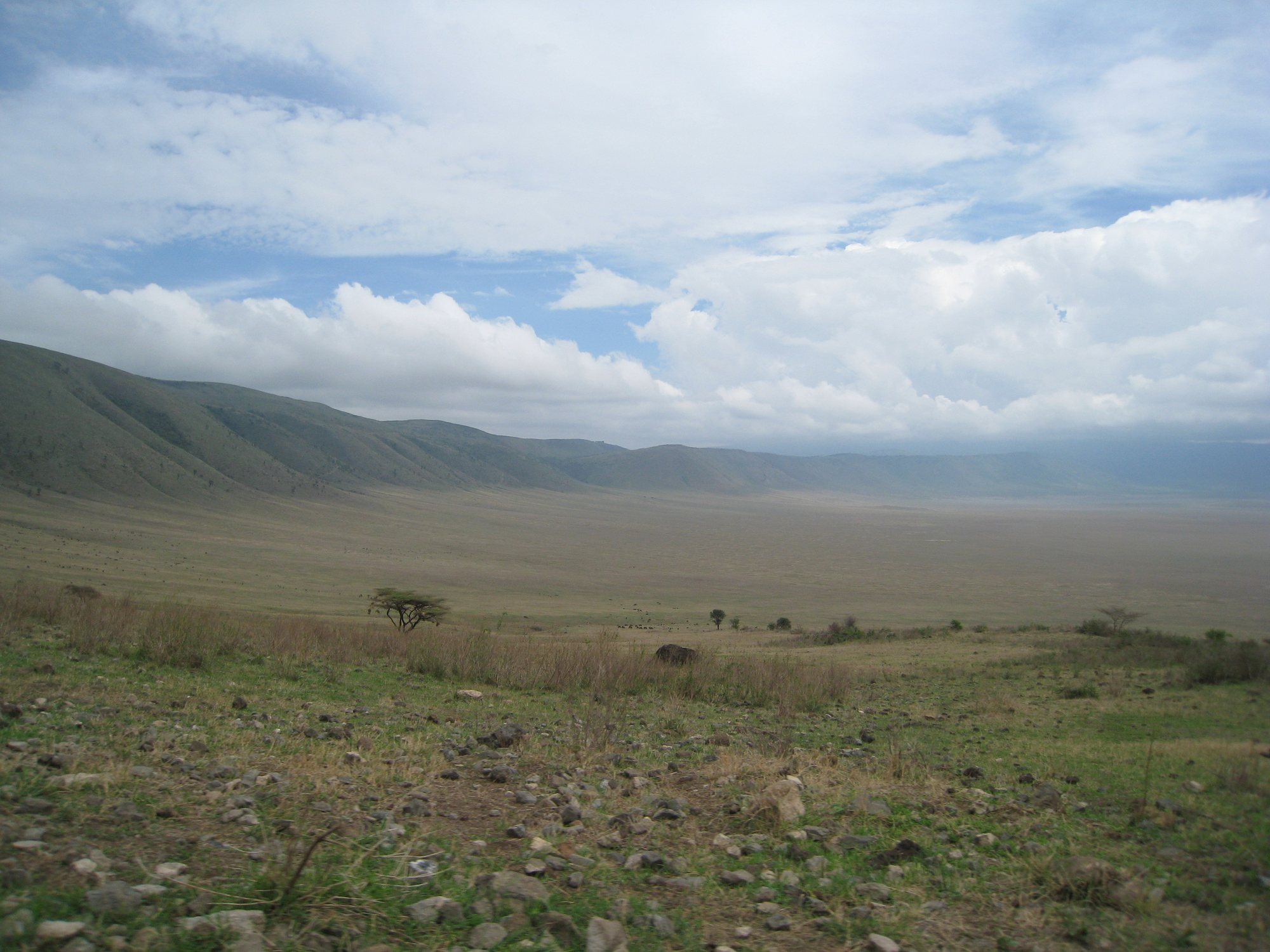
The Ngorongoro Crater is the world's largest unflooded, intact volcanic caldera — around 20 kilometres across, with walls rising some 600 metres from the crater floor. Inside, grassland, swamps, a soda lake and patches of forest support a remarkable density of wildlife within a single day's game drive.
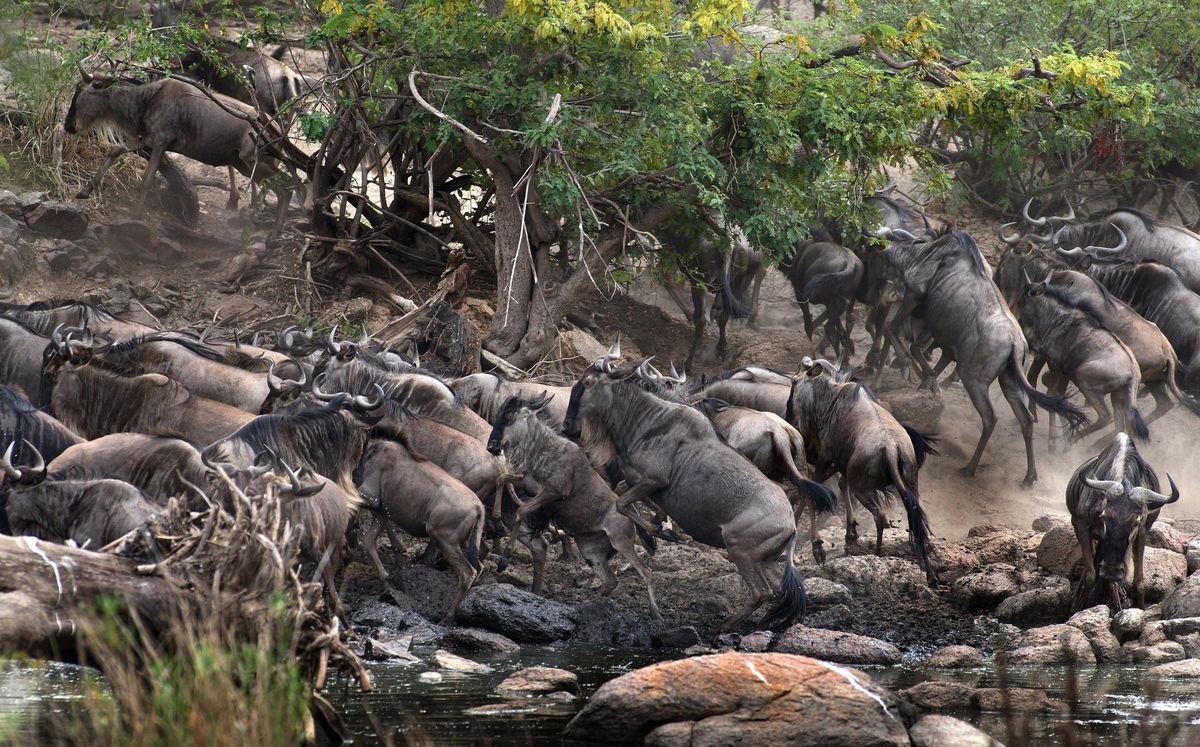
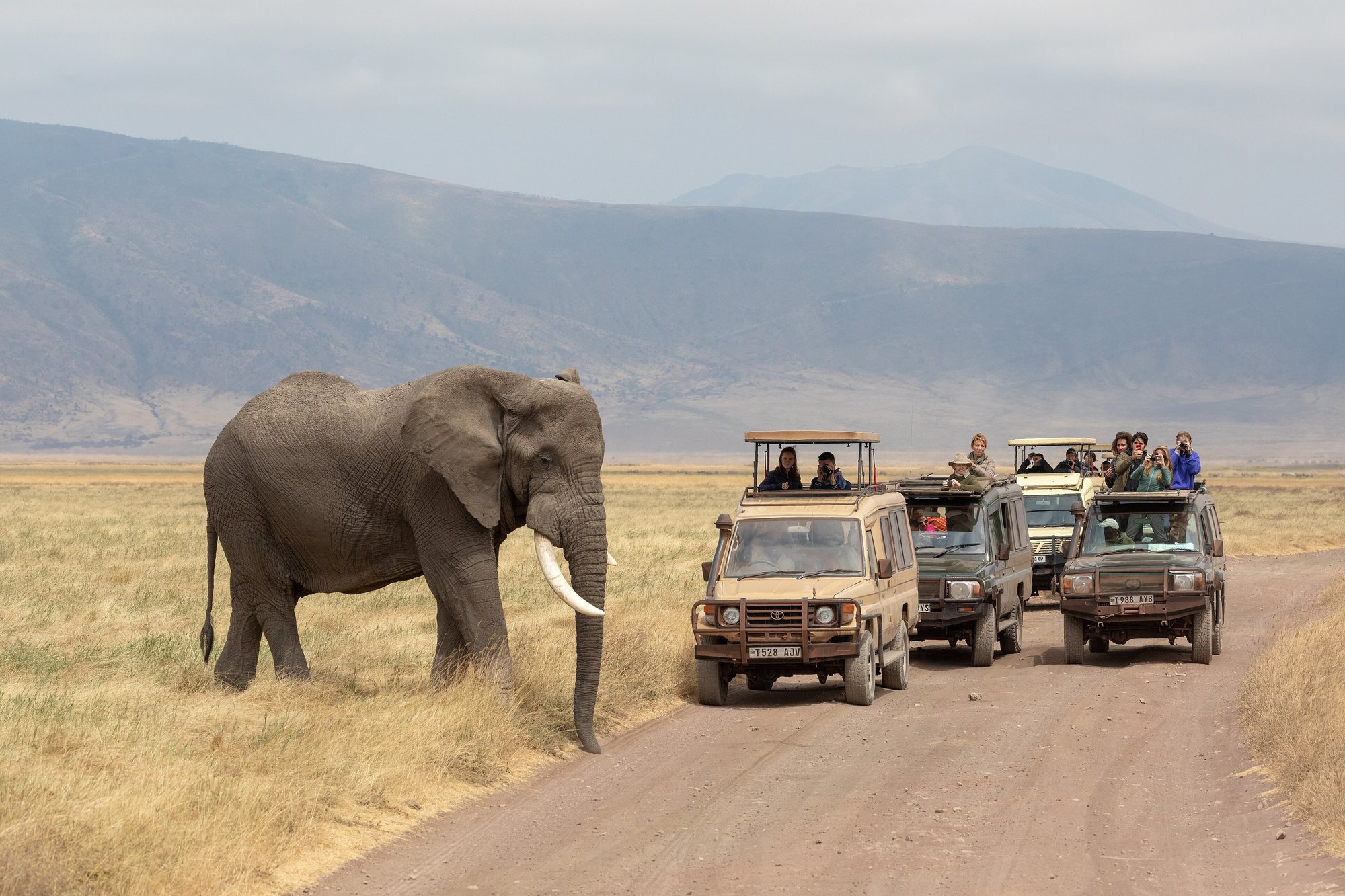
The crater is one of the best places in Tanzania to see the endangered black rhino, alongside lion, elephant, buffalo, hippo, hyena and large herds of wildebeest and zebra. Flamingos often gather on Lake Magadi.
Beyond the crater, the wider Conservation Area includes the Olduvai Gorge, one of the most important palaeoanthropological sites in the world, and highland landscapes where Maasai communities graze their cattle.
The crater can be visited all year. The dry months (June to October) offer easier wildlife spotting, while the green season brings lush scenery. Early-morning descents are quieter and often the best time for photography.
The crater rim is cool, especially in the mornings and evenings — bring a warm layer. Vehicle time on the crater floor is regulated, so a visit is usually planned as a half or full-day descent from a lodge on or near the rim.
Ngorongoro Conservation Area · Tarangire National Park
A short, rewarding introduction to northern Tanzania: Tarangire's elephants and baobabs followed by a full day in the Ngorongoro Crater.
Serengeti National Park · Ngorongoro Conservation Area · Tarangire National Park
The classic northern circuit: Tarangire, two days in the Serengeti and the Ngorongoro Crater.
Serengeti National Park · Ngorongoro Conservation Area · Tarangire National Park +1
More time where it matters: an extended Serengeti stay positioned around the migration, plus Tarangire, Lake Manyara and the crater.
Serengeti National Park · Ngorongoro Conservation Area · Tarangire National Park +1
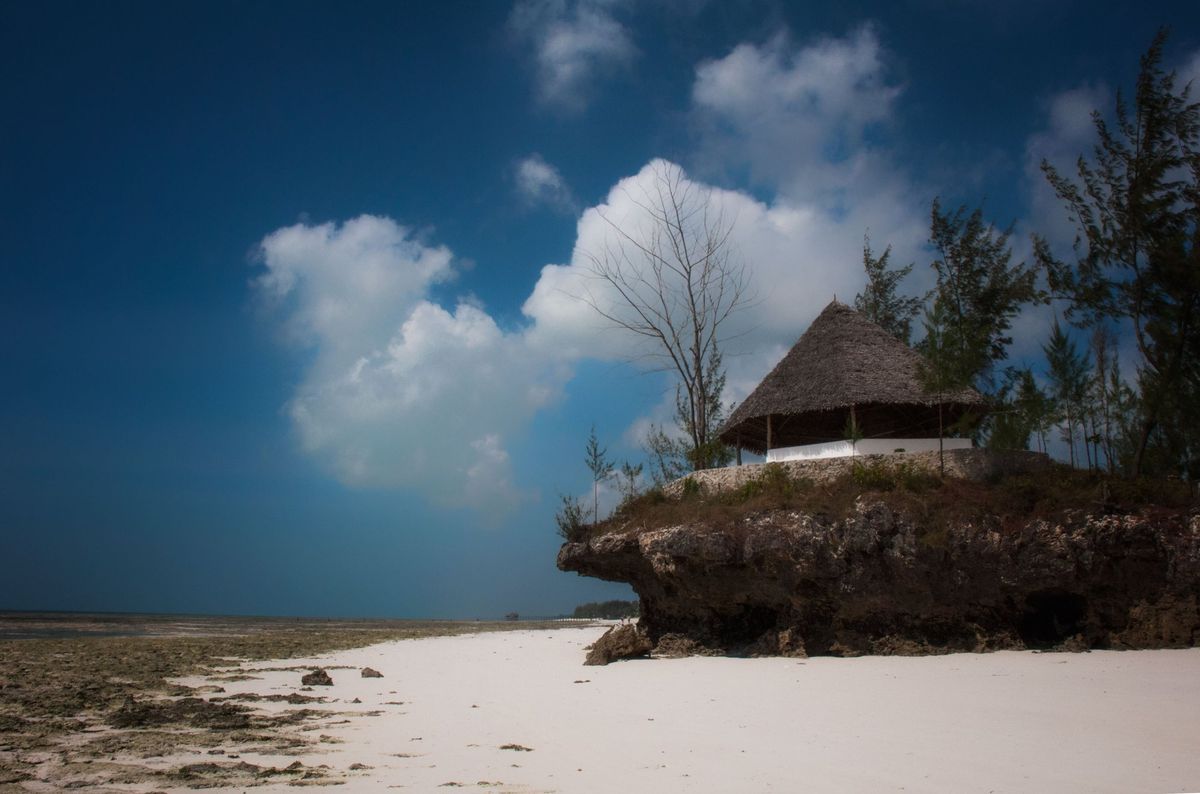
Five days of northern-circuit safari followed by time to unwind on the beaches of Zanzibar.
Start planning
Share your dates, interests and travel style. We will reply with a tailored itinerary and proposal — there is no obligation to book.

office@nnkosafari.com
Plot No. 580, Usa River, Arusha, Tanzania