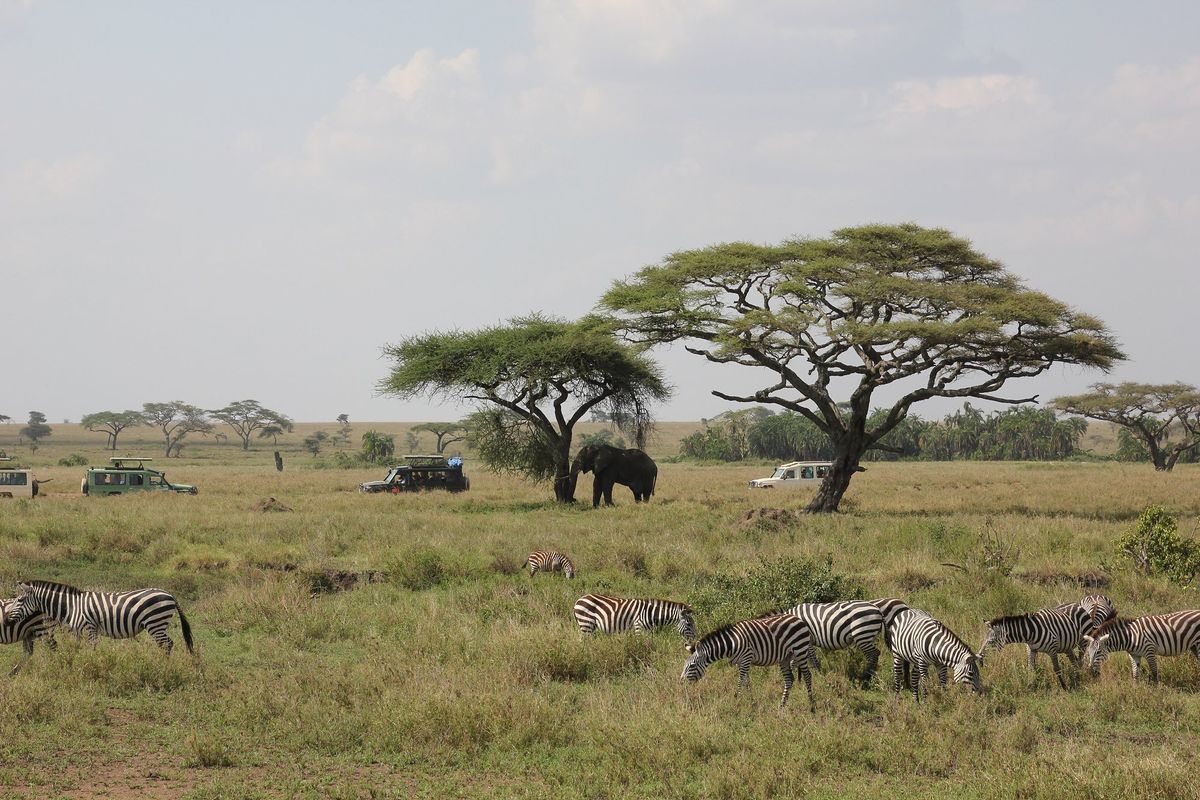
There is no single ‘best’ month for a Tanzania safari — there is the best month for you. Wildlife is present all year in the northern parks, but rainfall shapes where the animals gather, how green the landscape is and how many other visitors you will meet.
The long dry season (roughly June to October)
Vegetation thins and water becomes scarce, so animals concentrate around rivers and waterholes. Game viewing in Tarangire is at its best, and the northern Serengeti is known for the Mara River crossings in the second half of this period. It is also the most popular time to travel, so planning ahead is wise.
The short rains and early year (November to March)
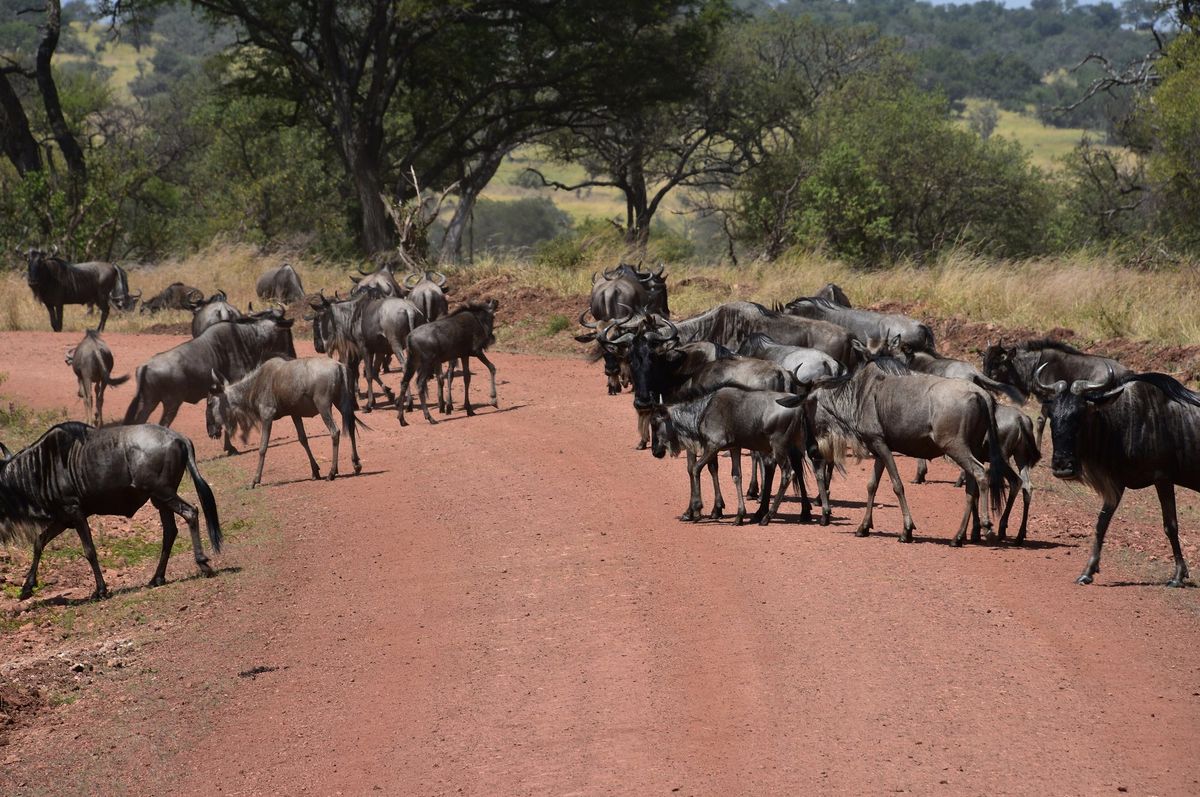
Short, usually brief showers bring fresh grass. Between roughly January and March, the wildebeest herds gather on the southern Serengeti plains around Ndutu for the calving season — an extraordinary time for predator action and newborn animals.
The long rains (around April and May)
Heavier rain makes some tracks muddy, and a few camps close. In return you find lush landscapes, dramatic skies, excellent birdlife and far fewer vehicles at sightings.
Planning around the migration
The Great Migration follows the rains, and its timing varies from year to year. Rather than fixing a location months in advance, a flexible itinerary lets us position you where the herds are most likely to be when you travel.
Combining with Kilimanjaro or Zanzibar
If you plan to climb Kilimanjaro or relax on Zanzibar as well, the drier months work well for both. Tell us your preferred dates and priorities, and we will suggest the combination that fits best.